I moved from an apartment into a house in 2020. A large Norway maple threatened to fall on the garage, so we had it felled and I spent a blissful fews months chopping firewood by hand like I used to as a kid. Dissatisfied with the haphazardly stacked wood lying on free palettes scrounged from nearby hardware stores, I set out to build a wood shed, beginning my machine woodworking journey.
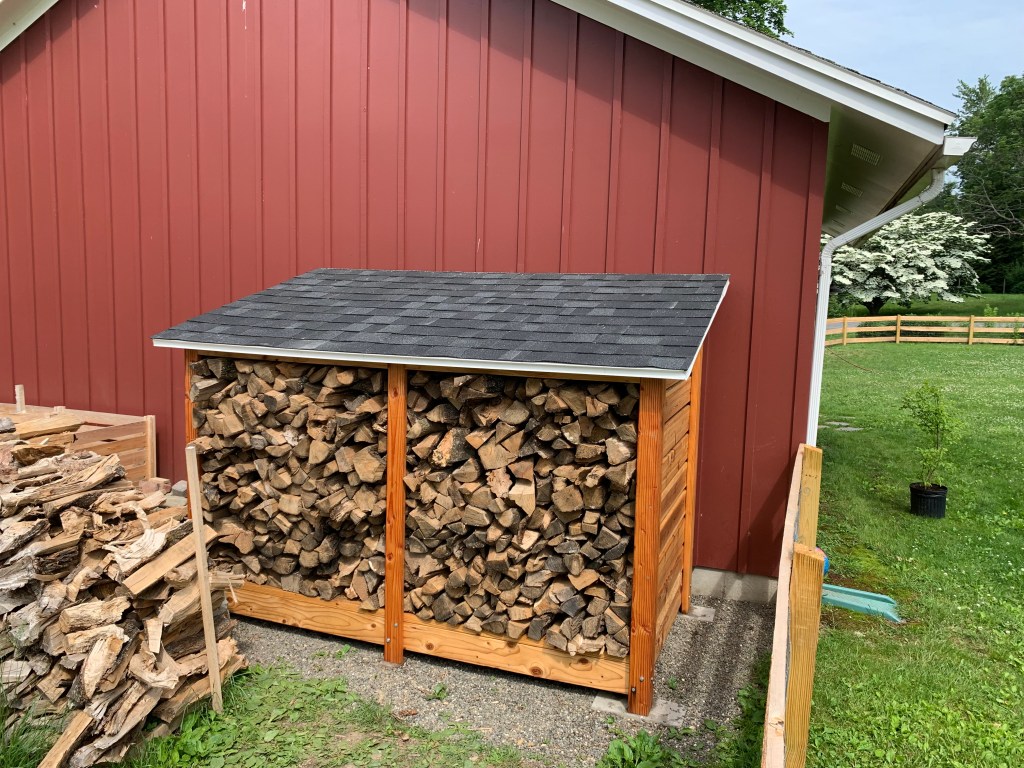
What began as a largely pragmatic endeavour, to my surprise, resulted in an accomplishment I was genuinely proud of. I had made something. Was I hooked?
I downloaded another set of free plans, bought a load of 1×4 cedar, and began working on a storage box for my deck. I watched a video on YouTube about preparing the edges of boards to be joined into a panel, and was fascinated by the demonstration of a hand plane. I bought the only thing I could find at my local hardware store called a plane:
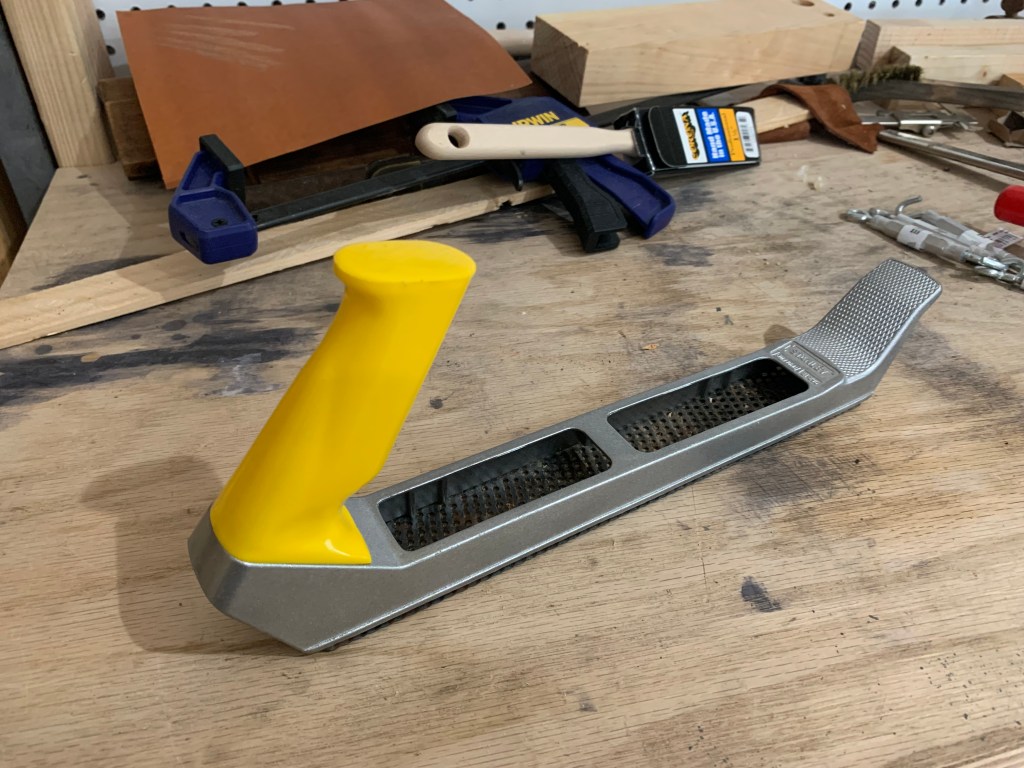
The results were disappointing—I still don’t know what this tool is for, but it sure isn’t a bench plane. I purchased more power tools.
I plodded along, drilling pocket holes, struggling to cut boards to consistent length, and shelling out what seemed like far too much money on clamps. Something about the process of making the box was unsatisfying. Steve Ramsey’s channel on YouTube taught and entertained me, and a table saw seemed an expensive yet inevitable purchase.

This trajectory dramatically changed the night I clicked on my first video by a guy named Rex Krueger. According to my YouTube history, I watched nine videos back-to-back. Seeing him demonstrate the use of simple hand tools to achieve tasks I thought required thousands of dollars in equipment wasn’t merely motivating; I was inspired. I shared what I’d found with the woodworking chatroom at work, and someone recommended I check out another fellow named Paul Sellers. That was October, 2021. I watched Paul, over the course of 5 hours and 10 videos, make an entire workbench using hand tools.
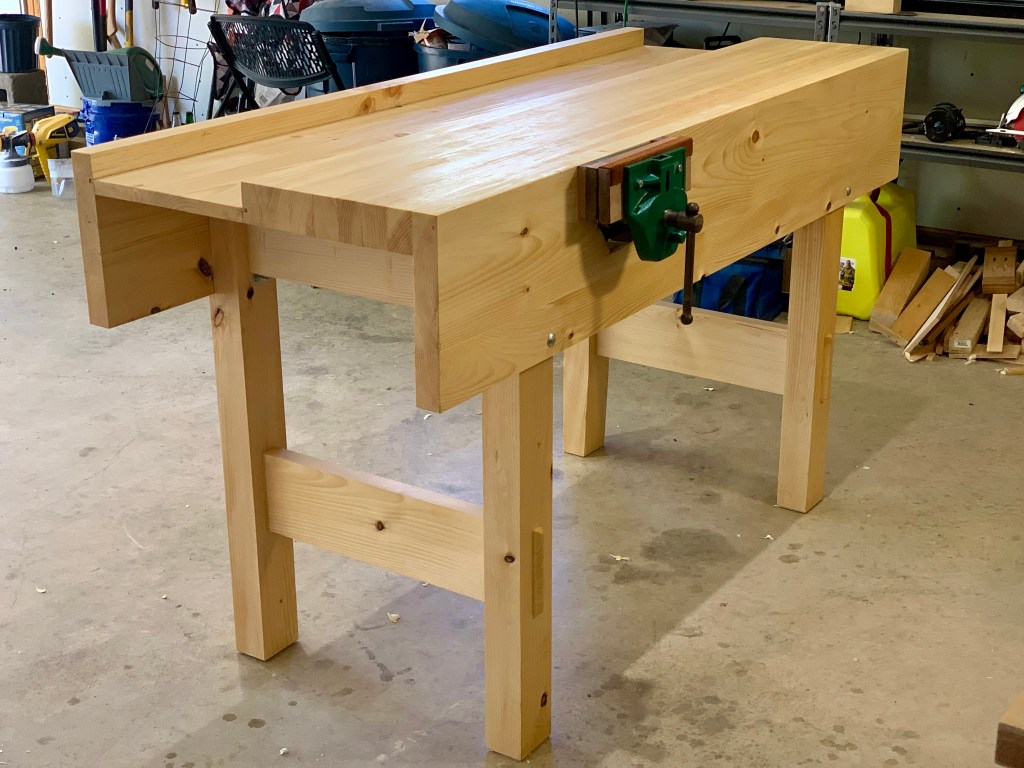
In May 2022, I put the second coat of finish on my own workbench, and installed the 9 kg of vice that my father-in-law had packed in his suitcase to bring all the way from Australia.
I now own (and adore) three bench planes, a router plane, a vintage wooden shoulder plane, and everything I need to keep my tools sharp. I discovered how engaging, mindful, and even therapeutic it can be to plane rough stock into smooth, sparkling boards until 2am after a stressful day at work. I built something with my hands, where I know every detail and imperfection, and yet it fills my imagination with all the things I might create and the skill and satisfaction I might achieve.
Thank you, Steve, Rex, and Paul, for being part of my journey.
The Bench
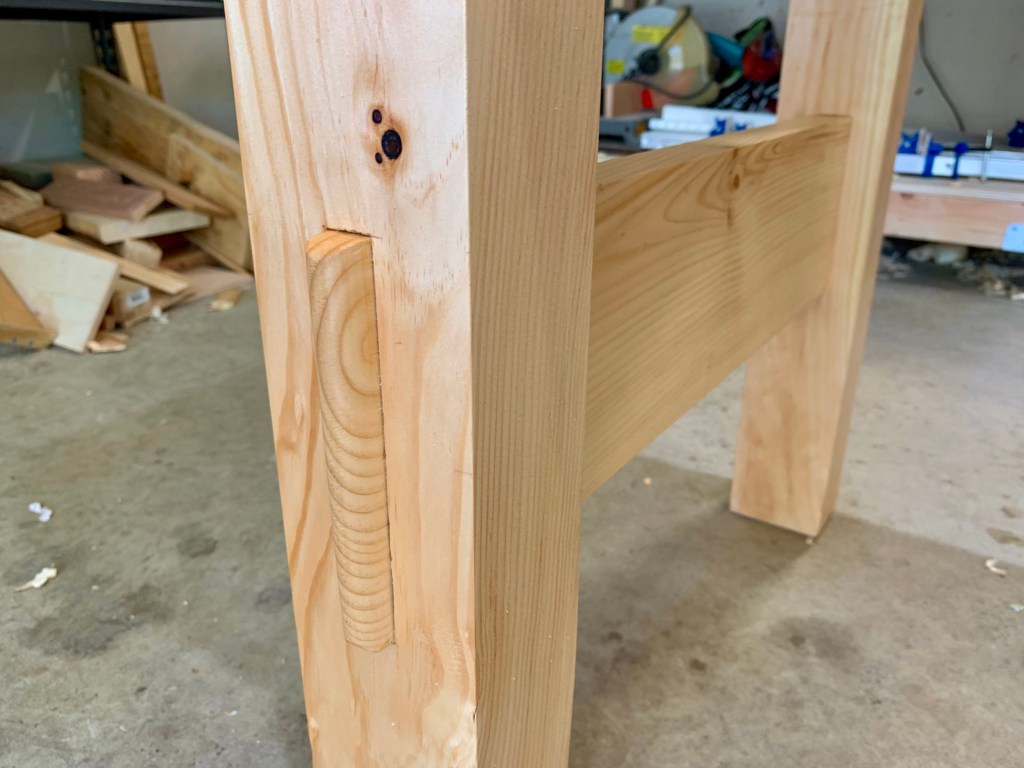

This leg was a lesson in the differences between sapwood and heartwood. I had used a heavy set plane to compensate for the tougher, springier material, and before I realised took way too much off one end. I decided to embrace it and turn it into a decorative taper.
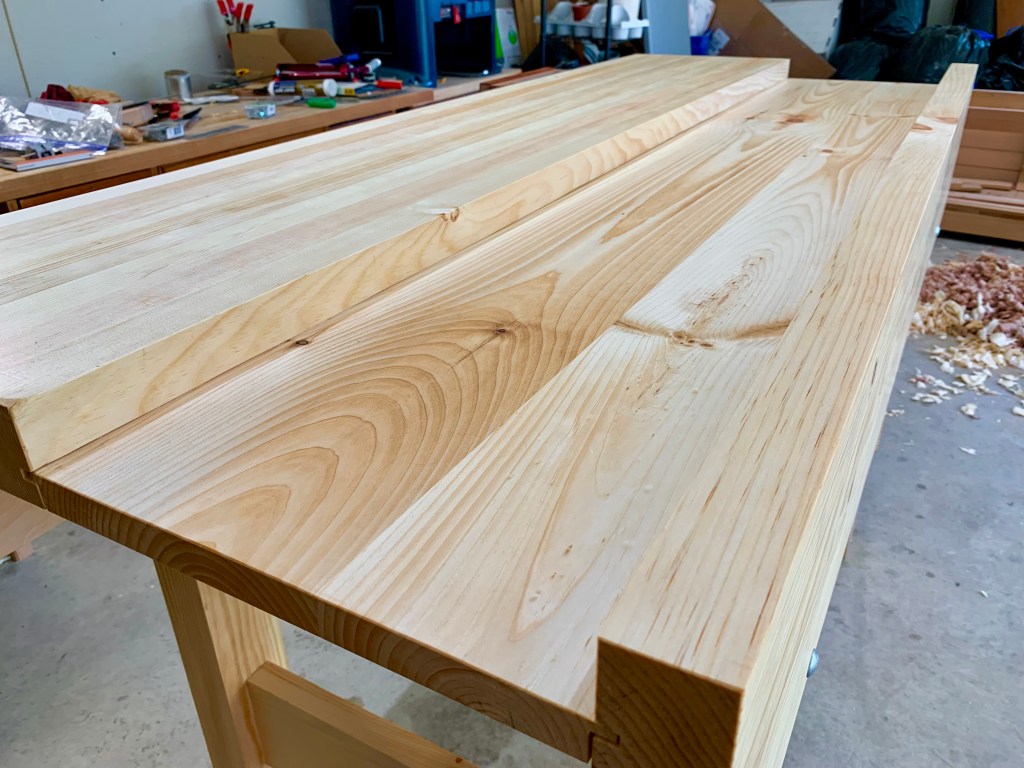
The Build
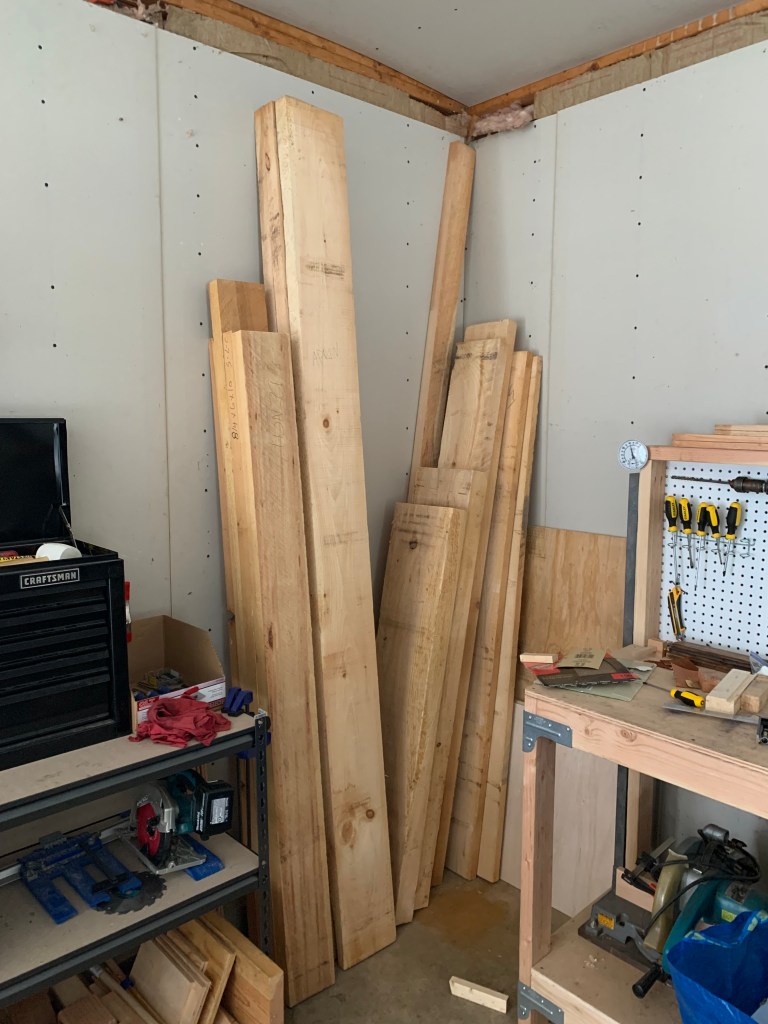
Just under $300 USD in rough cut, kiln dried red pine from a local lumber yard.
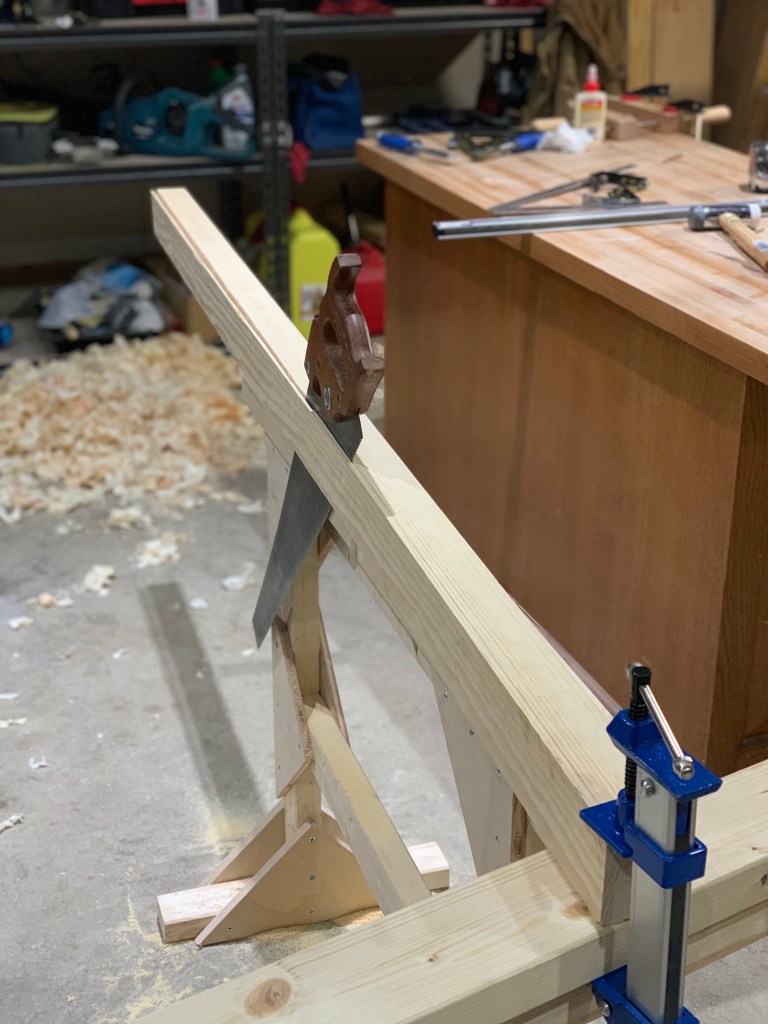
This 7 pt. rip saw was $20 from a local antique store. It has a small kink, but otherwise works great after following Rex’s video on restoring vintage saws.

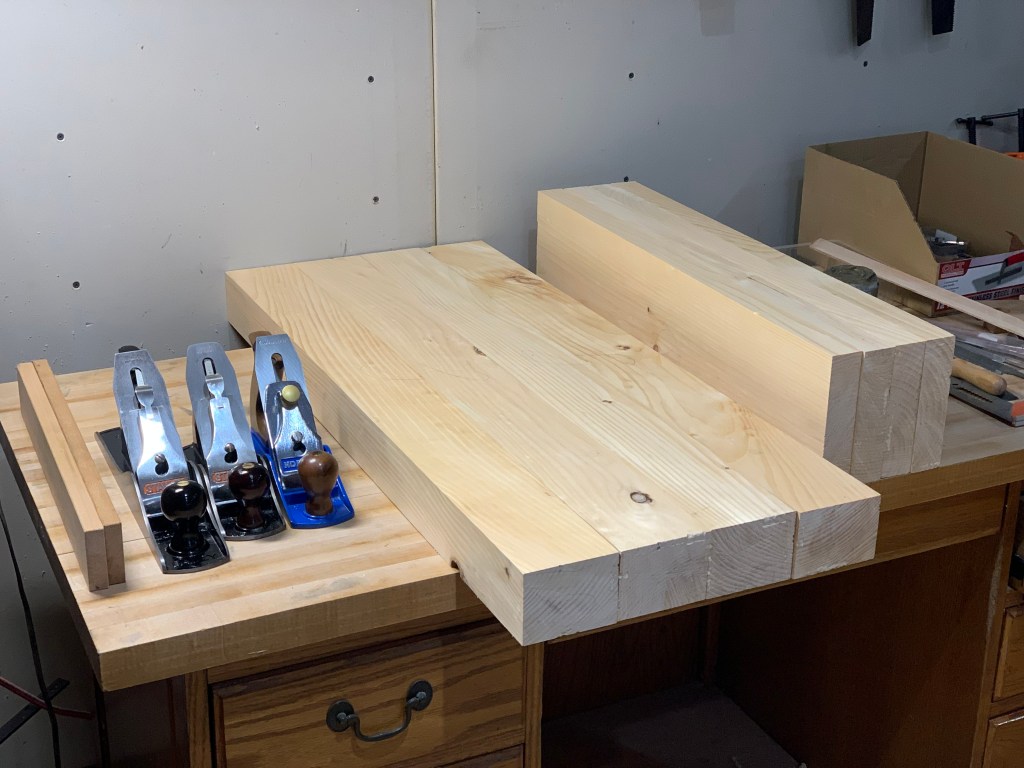
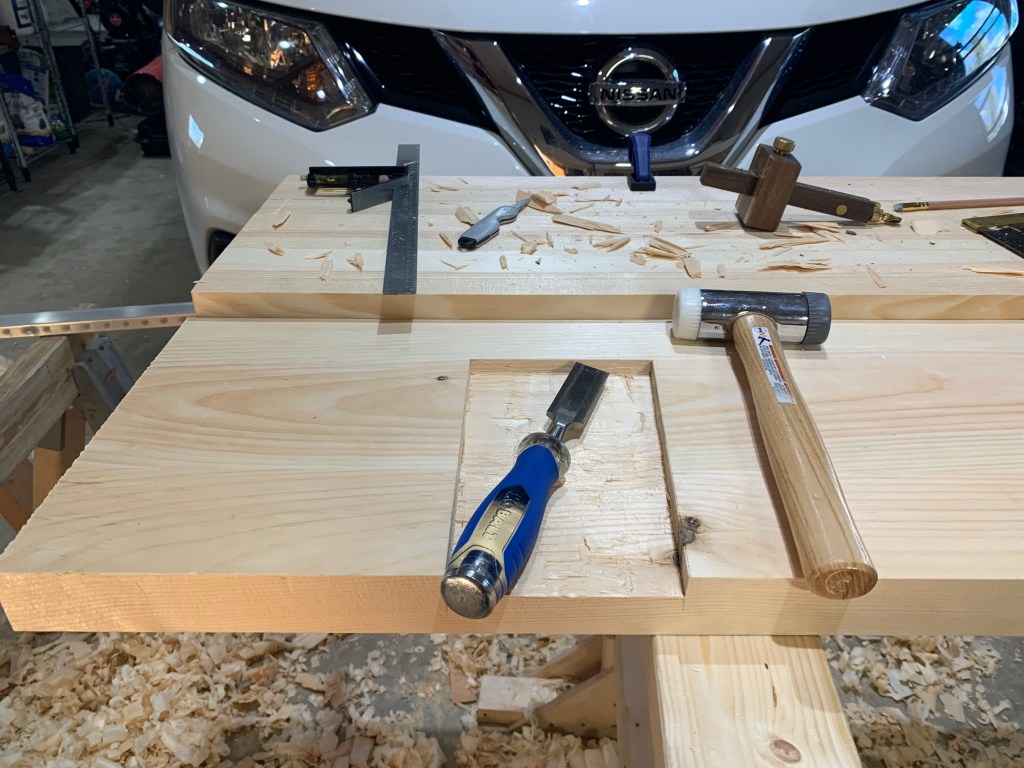
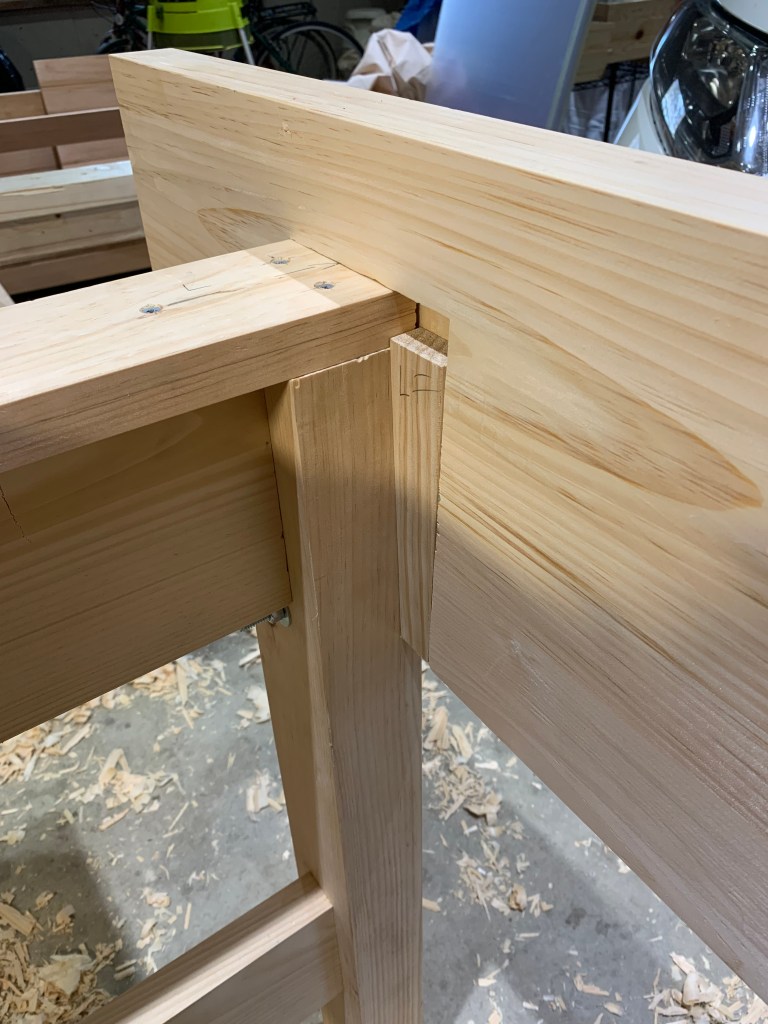
My father-in-law said he’d never seen a wedge used this way in joinery. He’s enjoyed all my progress updates and says he’s learning a lot.
 sharp·let